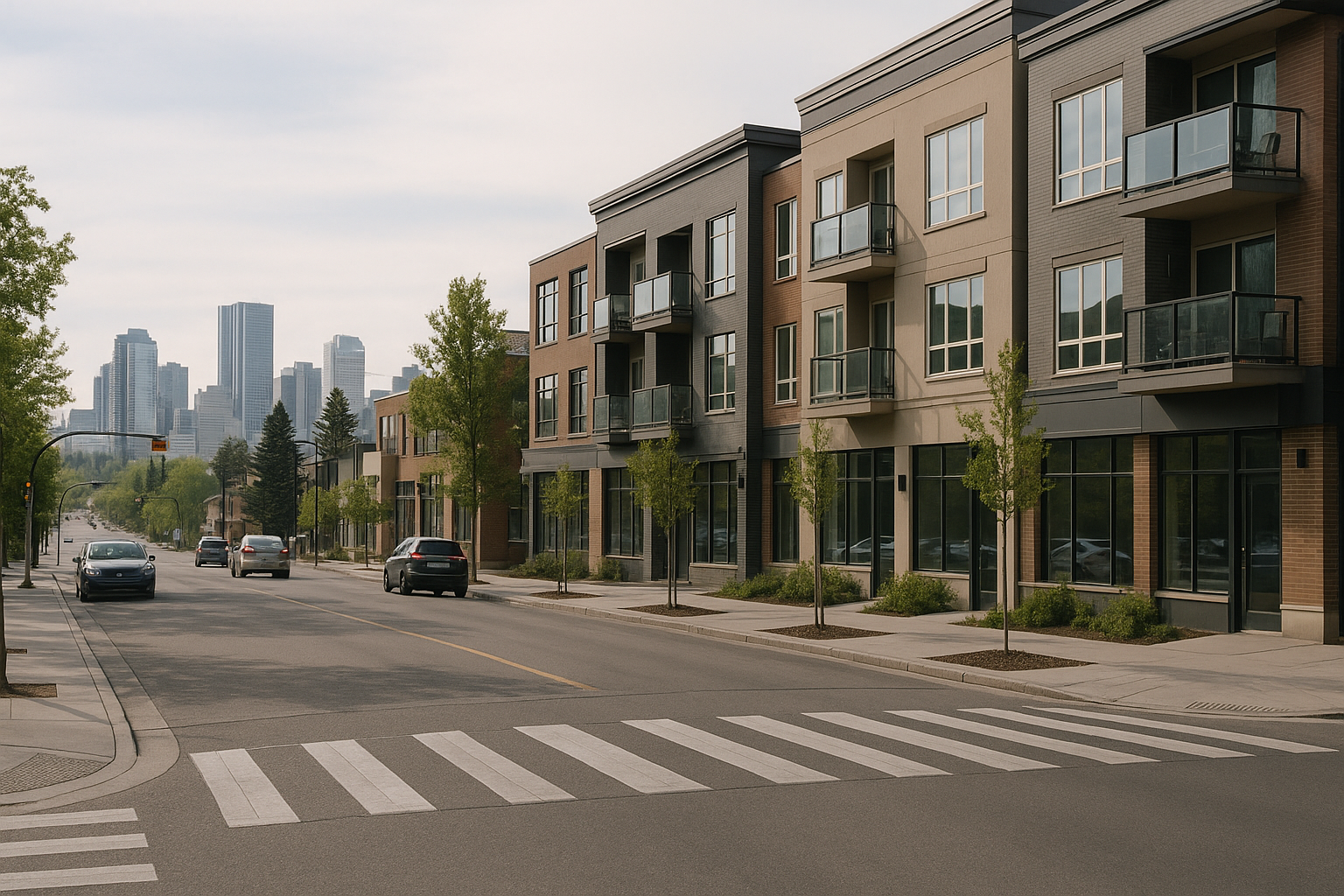
Estimated read time: 8 minutes mobile geofencing Calgary
Location-based search behavior is strongest when users are ready to act within a few miles of their destination.
Mobile geofencing, geo-targeting, and radius targeting are core tools behind modern location-based advertising in Calgary, helping businesses reach people based on where they are, where they’ve been, and where they’re most likely to act next. This matters because proximity-driven campaigns can influence high-intent decisions in real time, from map searches and store visits to booked calls and form fills. According to industry studies from Think with Google, location-based ads can outperform broad digital campaigns by delivering more relevant messages at the exact moment of intent. For readers and businesses, MASO GEO connects these tactics to local SEO, Google Business Profile optimization, structured data, and AI-friendly content so visibility improves across Maps, organic search, and generative engines.
When executed correctly, mobile geofencing Calgary strategies turn neighborhood-level signals into measurable growth across Bridgeland, Beltline, Inglewood, Downtown Calgary, and beyond.
Geofencing setup checklist
For most Calgary businesses, the fastest way to launch mobile geofencing Calgary campaigns is to define service areas first, then align ad zones, landing pages, and tracking. A strong setup connects neighborhood intent with GBP accuracy, structured data, and clear conversion goals so each campaign can be measured by area rather than by clicks alone.
| Metric | Target |
|---|---|
| Direction requests | Increase by 10%+ per neighborhood |
| Booked calls | Lift by 15%+ from geofenced traffic |
| Landing-page conversion rate | Achieve 12%+ on localized pages |
| Cost per qualified lead | Reduce by 8%+ after optimization |
- Map high-intent zones around Bridgeland, Beltline, Inglewood, and Downtown Calgary.
- Match each zone with a radius, geofence, or geo-targeting approach.
- Update Google Business Profile details, categories, photos, and service areas.
- Add FAQPage and LocalBusiness schema to neighborhood landing pages.
- Use DSP and UTM tracking to separate clicks, visits, and conversions by area.
- Measure direction requests, store visits, and offline leads against campaign exposure.
If you’re trying to improve visibility around Bridgeland, Beltline, or Downtown Calgary, it can help to book a quick GBP audit and hyperlocal geofencing check to spot where your location signals may be falling short.
How mobile geofencing works
Mobile geofencing Calgary campaigns rely on GPS, Wi-Fi, and app-based location signals to trigger ads when someone enters or leaves a defined area. That makes them useful for businesses that want to reach nearby prospects close to transit stops, retail corridors, medical buildings, or competitor locations without wasting budget on broad citywide targeting.
Mobile geofencing uses GPS, Wi-Fi, and app signals to trigger ads when people enter or leave places in Bridgeland, Beltline, Inglewood, or Downtown Calgary. A local restaurant, clinic, or realtor can serve timely offers near key streets, venues, or competitors. For stronger E-E-A-T, pair campaigns with an updated Google Business Profile, consistent NAP, and FAQPage schema so search engines and AI tools understand your business location and services.
- Build fences around Bridgeland hotspots, transit stops, and nearby event venues.
- Use a DSP for hyperlocal audience segments, then retarget visitors with service-specific ads.
- Add structured data vocabulary defined by Schema.org and AI-friendly FAQs to landing pages for better generative search visibility.
Reader-friendly KPIs: in-store visit lift, click-through rate, and cost per qualified lead.
Geofencing vs geo-targeting vs radius targeting
Choosing the right approach depends on precision. Mobile geofencing Calgary works best when you need exact place-based targeting, while geo-targeting is better for broader neighborhood coverage and radius targeting fits businesses that serve customers within a fixed distance from one location.
Geofencing targets exact real-world places, while geo-targeting focuses on broader areas like Calgary or Beltline, and radius targeting draws a circle around a point. For example, a geofencing campaign near Inglewood can reach event-goers, while radius targeting suits service businesses covering Bridgeland and Downtown. Geo-targeting works well for “Beltline local SEO” campaigns supported by localized pages, service schema, and GBP categories.
- Use geofencing for competitor conquesting and venue-based promotions.
- Use radius targeting for delivery zones or appointment areas.
- Use geo-targeting with programmatic DSPs documented by Google Marketing Platform to scale awareness across Calgary neighborhoods.
Helpful KPIs: impression share in target zones, landing-page engagement rate, and direction requests from GBP.
Why Bridgeland businesses use location-based advertising
Bridgeland businesses often invest in mobile geofencing Calgary efforts because local intent is highly time-sensitive. When someone is commuting, browsing nearby options, or comparing services on a phone, a hyperlocal campaign can align paid visibility, map presence, and neighborhood-specific content at the moment a decision is most likely.
Bridgeland businesses use location-based advertising to reach nearby customers at high-intent moments, whether they live in Bridgeland, commute from Downtown, or visit from Inglewood or Beltline. It supports local SEO, paid media, and AI/GEO optimization by aligning ads, map visibility, and trusted local content. When campaigns are backed by real reviews, accurate service pages, and clear author/business credentials, results are stronger and more credible.
- Sync geofencing with GBP posts, localized landing pages, and review generation.
- Use DSP reporting to find top-performing Calgary micro-areas and adjust bids.
- Publish concise, answer-first content for AI engines using FAQPage and LocalBusiness schema.
Useful KPIs: map pack actions, return on ad spend, and booked calls or form fills.
Targeting Bridgeland, downtown Calgary, and nearby neighborhoods
Effective mobile geofencing Calgary campaigns reflect how people actually move between neighborhoods. Segmenting audiences by destination, commute path, and local intent helps businesses tailor offers for residents, office workers, and visitors instead of treating the entire city as one generic market.
For Calgary businesses, geofencing works best when campaigns reflect real movement patterns. A Bridgeland clinic can target commuters entering downtown Calgary, while a retailer can build separate audiences for Inglewood, Beltline, East Village, Renfrew, and Crescent Heights. This hyperlocal structure improves relevance, supports stronger Google Business Profile visibility, and gives AI-driven search tools clearer location signals to reference.
At MASO GEO, we recommend combining local SEO with proximity-based media so businesses appear in Maps, organic results, and paid placements at the same time. Add neighborhood service pages, GBP categories, localized FAQs, and schema markup to reinforce “where” and “what” for both search engines and generative engines.
- Build neighborhood-specific landing pages for Bridgeland, downtown Calgary, Beltline, and Inglewood with unique services, testimonials, and FAQPage schema.
- Launch geofencing and programmatic DSP campaigns around high-intent zones like transit stops, condo clusters, medical buildings, and fitness hubs.
- Optimize GBP with accurate services, fresh photos, review replies, and posts mentioning local service areas.
- Use structured data and AI/GEO-ready content patterns so location details are easy for generative AI systems referenced in OpenAI research to summarize.
Best use cases include restaurants promoting lunch offers near downtown Calgary, retail stores running a mobile geofencing Calgary campaign near Inglewood, clinics targeting nearby residents in Renfrew and Crescent Heights, gyms competing in Beltline local SEO, and real estate teams capturing condo buyer leads in East Village. Track foot traffic lift, call or form conversion rate, and GBP direction requests.
Track conversions, store visits, and foot traffic
Measurement is what turns mobile geofencing Calgary from a visibility tactic into a profit channel. The goal is to connect ad exposure with actions such as calls, bookings, direction requests, and in-store visits so each neighborhood campaign can be judged by business impact instead of surface-level engagement.
In Bridgeland, Calgary, measure what happens after the click. Set up GBP call tracking, direction-request goals, and offline conversion imports from POS or CRM data. For Beltline local SEO, East Village searches, Inglewood promotions, and Renfrew service pages, use UTM-tagged links so you can separate organic, paid, and AI-driven discovery traffic.
- Track phone calls, form fills, booked appointments, and direction requests by neighborhood landing page.
- Use geofencing around Bridgeland, Downtown Calgary, Crescent Heights, and Kensington to compare ad exposure with in-store visits.
- Review assisted conversions from AI Overviews, map pack clicks, and branded searches to see what supports store traffic.
KPIs: conversion rate, cost per store visit, direction requests.
Ad platforms and tools for geofencing campaigns
The best platform for mobile geofencing Calgary depends on how precise your audience needs to be and how deeply you want to report on outcomes. Google Ads is useful for radius targeting and GBP alignment, while DSPs are better suited to custom geofences, venue-based audiences, and layered retargeting.
Choose platforms based on audience depth and reporting. Google Ads handles radius targeting and GBP tie-ins well, while programmatic DSPs support tighter hyperlocal targeting near venues, transit stops, and competitor locations in Mission, Sunnyside, Ramsay, and Bridgeland. Pair campaigns with FAQPage and LocalBusiness schema so landing pages are easier for Google Search Central documentation and generative engines to summarize.
- Build neighborhood-specific creatives: “geofencing campaign near Inglewood” or “Beltline local SEO for clinics.”
- Use DSP audience layers: frequent visitors, event attendees, and in-market shoppers across Calgary.
- Add structured data, clear service-area language, and concise Q&A blocks for GEO visibility.
KPIs: click-through rate, impression share, landing-page engagement.
Privacy, consent, and ROI for Calgary digital marketing
Privacy and reporting standards matter because mobile geofencing Calgary relies on trust as much as targeting. Businesses that clearly explain consent, document attribution methods, and validate results with offline actions build more credible campaigns and stronger long-term performance.
Trust matters. Use consent-based tracking, clear cookie notices, and privacy-safe attribution. Document methodology, review data quality monthly, and report results by channel and neighborhood. Experienced teams validate lift using before-and-after traffic, not just ad clicks, which strengthens E-E-A-T.
- Explain what is tracked and why on Bridgeland and Calgary service pages.
- Compare revenue, leads, and store visits from SEO, GBP, and proximity campaigns.
- Create simple ROI dashboards for Bridgeland, Inglewood, Beltline, and East Village performance.
KPIs: return on ad spend, qualified leads, revenue by location.
Example Scenario: Bridgeland Clinic Gains More Qualified Bookings
A practical mobile geofencing Calgary example shows how local landing pages, map optimization, and hyperlocal ad targeting can work together. The biggest gains usually come from matching commuter routes and neighborhood intent with service-specific messaging, then shifting spend toward the zones that produce the best leads.
An example scenario: a family clinic in Bridgeland paired neighborhood landing pages, an updated Google Business Profile, and geofencing around downtown Calgary offices and nearby transit stops. The campaign targeted commuters and residents in Beltline, Crescent Heights, and Inglewood with appointment-focused ads and FAQ content matched to local search intent.
Within eight weeks, the clinic saw a 22% increase in direction requests, a 17% lift in booked calls, and a 14% rise in landing-page conversion rate. In-store walk-ins from geofenced zones increased by 11%, while cost per qualified lead dropped by 9% after the team shifted budget to the best-performing neighborhoods.
Key takeaways
The core lesson is simple: mobile geofencing Calgary performs best when targeting, landing pages, GBP optimization, and neighborhood-level measurement all work together. Businesses that combine precise location signals with localized content and conversion tracking are better positioned to improve visibility, foot traffic, and lead quality across Calgary.
- Use neighborhood landing pages with an updated Google Business Profile to capture local search intent.
- Geofence around downtown Calgary offices and nearby transit stops to reach commuters and nearby residents.
- Match ads and FAQ content to local search intent in areas like Beltline, Crescent Heights, and Inglewood.
- Track direction requests, booked calls, and landing-page conversion rate to measure local campaign performance.
- Shift budget to the best-performing neighborhoods to improve lead quality and lower cost per qualified lead.
Research Notes
Research supports mobile geofencing Calgary when it is paired with strong local search signals, consistent business data, and meaningful offline measurement. The most reliable frameworks connect proximity-based advertising with GBP strength, localized pages, schema markup, and conversion tracking that reflects real business outcomes.
- Geofencing uses location signals to trigger ads near specific venues, transit nodes, and competitor sites, supporting high-intent local reach.
- BrightLocal Local Search Ranking Factors research supports the role of Google Business Profile, consistent NAP, localized pages, and schema markup in strengthening location clarity for Maps, organic results, and generative search tools.
- Measuring direction requests, store visits, and offline conversions provides stronger evidence of proximity campaign performance than clicks alone.
FAQ
How do I set up mobile geofencing for a Bridgeland business?
Build fences around high-intent spots, connect them to a DSP, and pair ads with localized landing pages, GBP updates, and FAQPage schema.
Can geofencing work for Calgary restaurants and clinics?
Yes, Calgary restaurants and clinics can target nearby commuters, event-goers, and residents with timely offers tied to specific neighborhoods and venues.
What results should I expect from geofencing campaigns in Downtown Calgary?
You can track foot traffic lift, direction requests, click-through rate, and qualified leads when campaigns target high-intent local areas.
Why use geofencing instead of regular geo-targeting?
Geofencing reaches people near exact places, while geo-targeting is broader, making geofencing better for venue-based promotions and competitor conquesting.
How can Beltline businesses improve local search with geofencing?
Beltline businesses can combine geofencing with GBP, localized pages, and structured data to strengthen Maps visibility and AI search summaries.
Do I need neighborhood-specific pages for Inglewood campaigns?
Yes, neighborhood pages help clarify services and location signals, improving relevance for Inglewood searches and proximity-based ads.
What KPIs should I track for Calgary geofencing campaigns?
Track conversion rate, store visits, direction requests, cost per lead, and return on ad spend by neighborhood.
How do structured data and FAQs help with geofencing visibility?
They make your location, services, and answers easier for search engines and generative tools to understand and summarize.
Can I target Bridgeland and Downtown Calgary separately?
Yes, separate audiences let you tailor offers, bids, and messaging to different movement patterns and intent levels.
What is the best way to measure ROI from local ads?
Use before-and-after traffic, offline conversion imports, call tracking, and revenue by location to validate real campaign impact.
For businesses ready to win more map pack actions, store visits, and qualified leads across Calgary, MASO GEO can help you request a custom quote for GBP optimization, geofencing campaigns, and AI/RAG content built around your neighborhoods and service areas.
Author: Mitchel O
Founder, MASO GEO
Mitchel specializes in Generative Engine Optimization (GEO), AI search visibility, and hyperlocal digital marketing strategies that help Calgary businesses appear in conversational search results and AI-driven discovery platforms. Mitchel has worked on hyperlocal GEO and AI search visibility strategies for Calgary businesses including retail, hospitality and service industries. His work focuses on generative search readiness, geofencing analytics and local entity optimization.
Edited by: MASO GEO Editorial Team